
Digital casino strategies can sound like legends. All has tales, but proof is tougher to come by. We sought to observe a specific method in practice, so we chose a well-known strategy—often called the “Favorite System”—for a real trial. To keep it grounded, we asked an Ireland-based playlist curator to run the test. Their work involves detecting patterns in music data and listener data, a skill that looked valuable for monitoring gambling trends. Over a several weeks’ period, they implemented the system’s fundamental rules rigorously to live dealer games at Stake Casino, documenting all stake, success, setback, and gut feeling. This is the plain, unvarnished summary from that trial.
Practical Takeaways for the Everyday Player
What ought you to do with this? Our key takeaway is that the Favorite System is less a magic trick and primarily a tool for structure. It can aid newcomers avoid chaotic bets and understand the flow of a game, akin to how a playlist structure directs song choice. For it to work, you must match it with strict bankroll rules and recognize that progress will be gradual, messy and never straightforward. This is not a shortcut to riches. Try it first with a virtual bankroll in Stake’s demo modes to develop the required emotional control. Remember, no system removes the house edge. It simply gives you a framework to operate within it. Your own mindset is the critical part.
Our Pick of Stake Casino to Run This Test
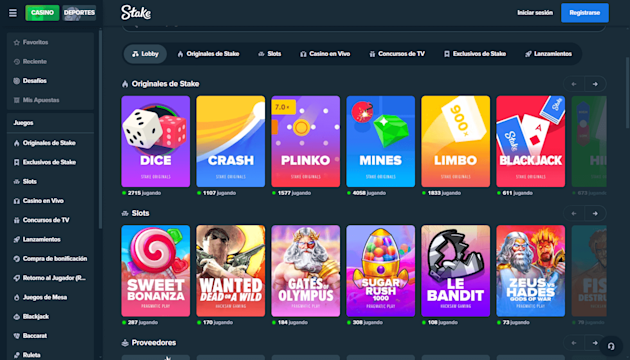
We needed the perfect environment for a straightforward experiment. Stake Casino was the natural pick for a few strong reasons. Its live casino section is extensive, offering continuous tables for Live Blackjack, Live Roulette, and Live Baccarat. That offered us a real-time environment to test the strategy without interruption. Stake’s interface is made for quick bets, which is crucial when you are tracking a system between fast-paced rounds. Equally crucial, the platform keeps transparent game histories and stats. We could pull reliable data after each session to measure our performance. For a hands-on review that demanded credible data, Stake’s features delivered.
Long-Term Results: The Raw Numbers After 1,000 Bets
After two weeks and over 1,000 individual bets, the final tally told a varied story. The total bankroll ended about 2.5% above where it started. That net gain conceals a rocky path. The win rate stabilized around 51%, which reflects the statistical edge of the bets we made. Profit came from many small gains barely outweighing many small losses. There were no dramatic jackpots. A key figure deserves attention: the largest drawdown, meaning the biggest peak-to-valley loss, hit nearly 25% of the bankroll at one point. This shows the system might produce a profit long-term, but you need a solid bankroll and calm nerves to endure the deep dips.
First Phase: Early Wins and Establishing Assurance
The first few days felt stable. By locking in on the Banker bet in baccarat and Red in roulette, our tester observed a gradual but steady climb. Minor victories added up, boosting the bankroll up about 8% initially. This phase was validating. The system looked to do what it promised. The mental lift was real; it built trust in the process and supported avoiding hasty side bets. The tester said the rhythm brought to mind creating a strong playlist. Staying with a reliable genre—the favorite bet—gave foreseeable, consistent results. We knew it wouldn’t stay this smooth, but it was a good start.
In what manner Bankroll Management Rescued the Experiment
Our predetermined rules turned out to be crucial during that downturn https://sstake.org/en-ie/. We used strict loss limits and a stop-loss for every session. This system kept our tester from tilting and risking the entire bankroll at a comeback. Once a session reached its loss limit, it finished. The next session restarted with the original small base unit, not an emotional inflated bet. This discipline—the foundation of any genuine strategy—enabled the experiment to go on through the bad patch. It didn’t prevent the losses, but it boxed them in. We could keep going and gather more data as opposed to blowing up the test completely.
The Inevitable Downturn: Defeats Analyzed
The smooth ride finished, of course. We encountered a series of sessions where the favorite outcome persistently lost. One roulette streak was brutal: Black appeared eight times in a row while we were betting Red. This highlighted the system’s main issue. To recover losses, you have to increase your bets. That mounts quickly, needing a bigger bankroll and amplifying your risk. Our tester noted the pressure build as the bet sizes increased to chase what was lost. The emotion log revealed clear frustration, comparing it to when a curated playlist receives a bunch of skips in a row. This period was a direct lesson. A 49% chance to win is still a 51% chance to lose, and probability doesn’t care about streaks.
Final Verdict: Is the Selected Approach Valuable for You?
After our test, we offer the Favorite System a guarded approval, but only for a particular gambler. If you demonstrate patience, discipline, and view gambling as paid entertainment for modest, gradual gains, this approach provides helpful structure. It doesn’t guarantee profit, but it might aid avoid catastrophe and extend your playing time. If you’re a excitement chaser or possess a extremely small bankroll, the prolonged losses and the capital needed turn it into a unwise decision. Our playlist creator put it well in their final note: “It’s a supporting tempo, not the main melody of the game.” View it as a steady baseline for your play, not the headline act.
What Exactly Is the Favorite System?
Let us define the system before we get to the numbers. The Favorite System isn’t a single script. It is a category of strategies founded on one simple principle: you consistently wager on the statistical favorite. At a casino, this generally means the wager with the highest probability. You could bet on “Banker” in baccarat, or stick to Red or Black in roulette. The thinking is simple. If you pursue the most likely outcome every time, you will likely win more often than you lose, gradually growing your money. It’s a cautious style, the opposite of seeking big payouts on unlikely numbers. For our test, we established clear rules: commence with a small base bet, boost the wager slightly after a loss to recover, and never deviate from the highest-probability option in each game.
Setting Up the Test: Bankroll and Casino Selection
We started with strict control. Our session creator began with a specific bankroll of 500 units, handling it like a business task. We centered on Live Baccarat and Live Roulette. These games have obvious “favorite” bets with odds close to 50/50—Banker or Player in baccarat, Red/Black or Odd/Even in roulette. The rules permitted no exceptions: no single-number roulette bets, no baccarat side bets. Each session ended after 50 bets or 90 minutes, whichever came first, to sidestep tired decisions. A comprehensive spreadsheet tracked every move and mood, creating a raw dataset without any deviations.
